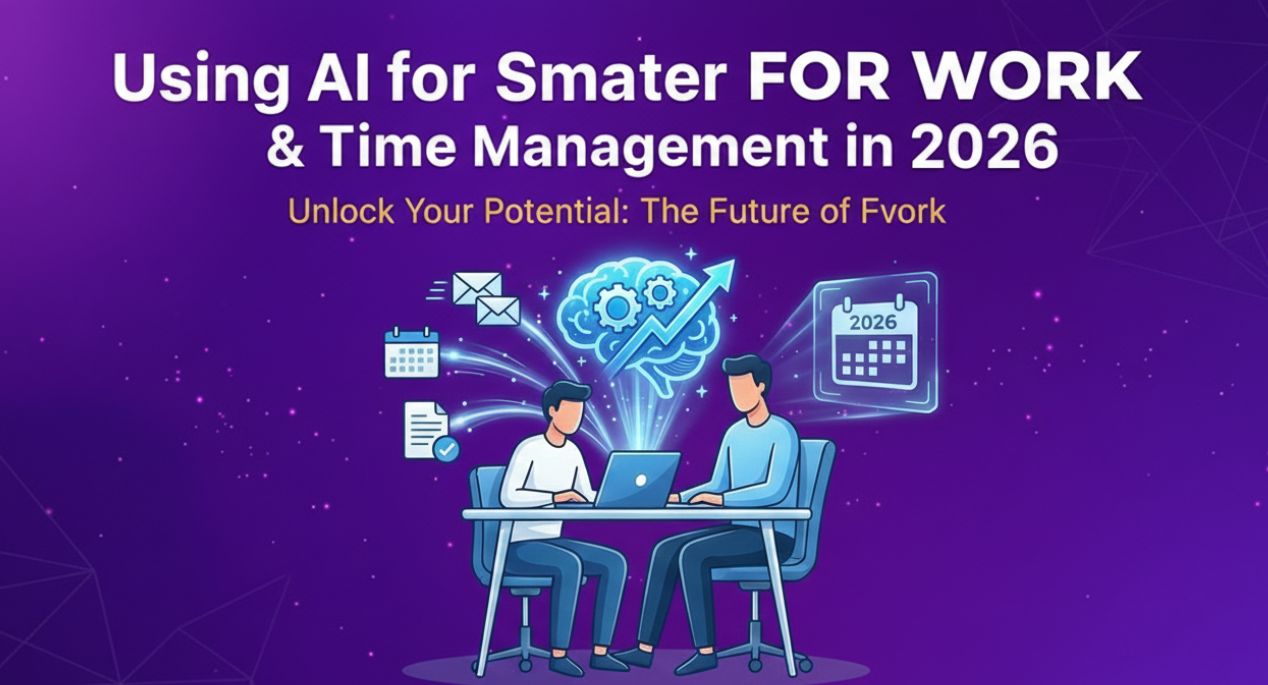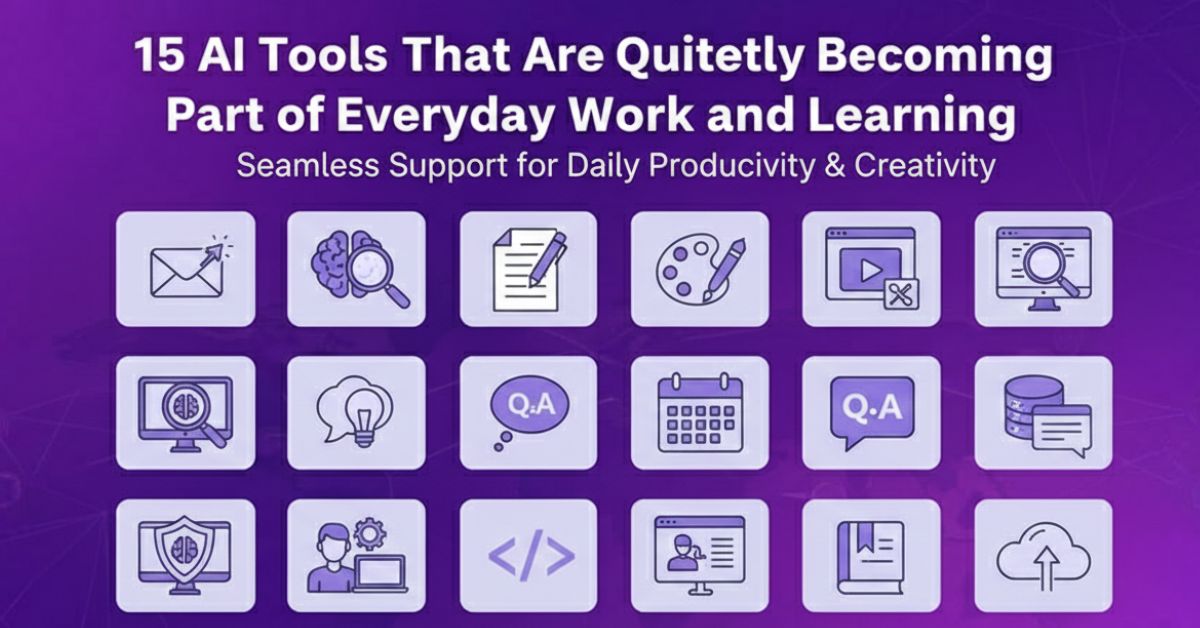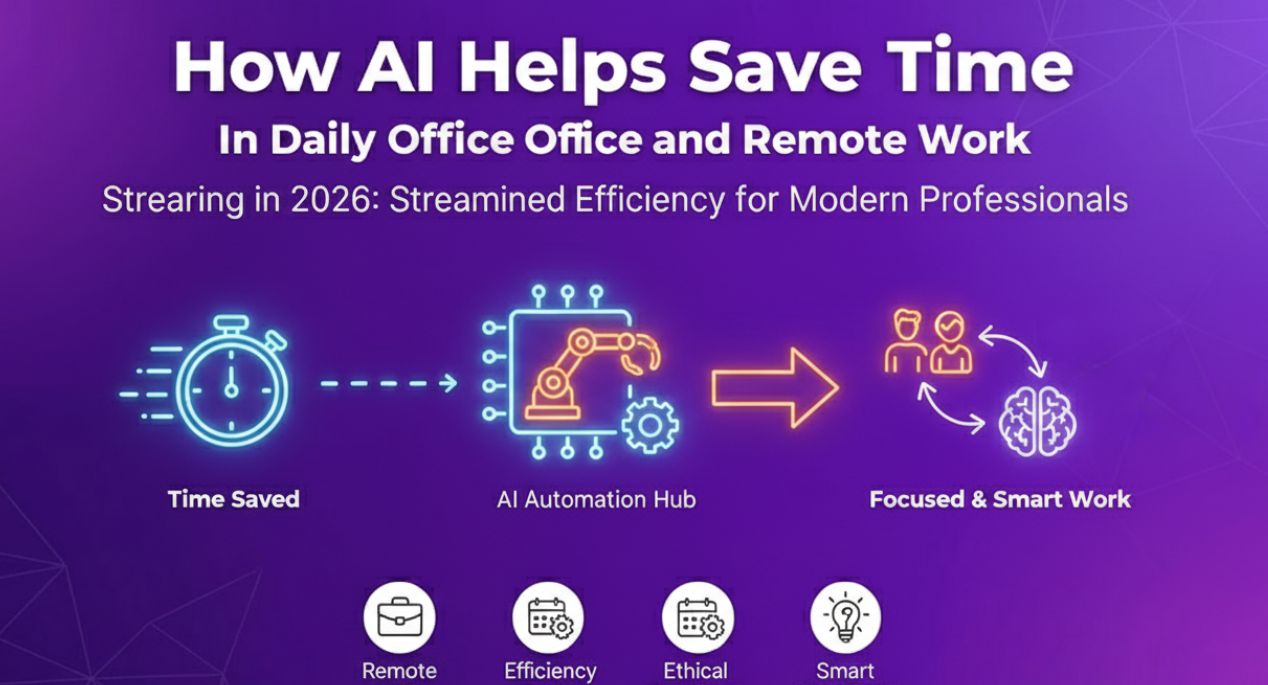
Artificial intelligence is no longer a future concept in workplaces. It has quietly become part of everyday office and remote work routines. From handling emails to organizing meetings and managing tasks, AI tools are now supporting professionals in subtle but effective ways. Understanding how AI helps save time in daily office and remote work is important for anyone who wants to work smarter without feeling rushed.
This article explains the main areas where AI saves time, using clear and practical examples. Each section focuses on one real use case, so the ideas are easy to understand and apply in daily work life.
How AI Helps Save Time in Daily
Table of Contents
1. AI Reduces Time Spent on Repetitive Tasks
One of the biggest ways AI helps save time is by handling repetitive tasks. Activities like scheduling meetings, setting reminders, organizing calendars, or updating task lists can quietly consume a large part of the day.
AI tools automate these actions by learning patterns. Once set up, they work in the background without constant input. This reduces mental effort and allows professionals to focus on tasks that require thinking and decision making.
2. AI Makes Email and Communication Faster
Emails are a major time drain in both office and remote work. Reading long threads, deciding priorities, and writing responses can slow productivity.
AI helps save time by sorting emails, highlighting important messages, and suggesting quick replies. Instead of starting from scratch, users respond with clarity and speed. This makes communication feel lighter and more organized.
3. AI Saves Time During Meetings with Smart Summaries
Meetings are necessary, but they often take more time than expected. Taking notes while staying engaged is difficult, especially in virtual meetings.
AI tools record meetings and create summaries with key points and action items. This removes the need to rewatch recordings or ask follow up questions. Teams stay aligned without spending extra time reviewing discussions.
4. AI Speeds Up Writing and Document Creation
Writing reports, presentations, or internal documents can slow down workdays. Many people spend more time drafting than refining.
AI helps by creating outlines, suggesting wording, and improving clarity. Professionals still control the final content, but the starting point is faster. This shows clearly how AI helps save time in daily office and remote work.
5. AI Simplifies Research and Information Gathering
Finding information online often leads to opening many tabs and reading long articles. This can be mentally exhausting and time consuming.
AI tools summarize content and highlight key ideas. Users get direction quickly and decide what deserves deeper reading. This reduces information overload and improves focus.
6. AI Improves Planning and Task Management
Planning work takes effort, especially when priorities change frequently. Manual planning often leads to rescheduling and confusion.
AI analyzes tasks, deadlines, and workload to suggest better schedules. This helps professionals manage time more realistically. Many people ask how much time does AI save. While it varies, planning support alone can recover several hours per week.
7. AI Supports Remote Team Coordination
Remote work depends on clear communication and shared understanding. Misalignment can waste time and create delays.
AI helps remote teams by tracking tasks, organizing shared documents, and providing updates automatically. This reduces back and forth messages and keeps everyone informed without constant checking.
8. AI Helps Teams Use Time More Meaningfully
Organizations often wonder how teams use the time saved by generative AI. The answer is not about working longer hours.
Teams use saved time for creative thinking, collaboration, and skill development. AI shifts time from routine work to higher value activities, improving overall work quality.
9. AI Time Saving Statistics Show Real Impact
AI time saving statistics often show productivity improvements between 20 and 40 percent depending on the role. These numbers reflect reduced time spent on routine tasks rather than increased pressure to perform.
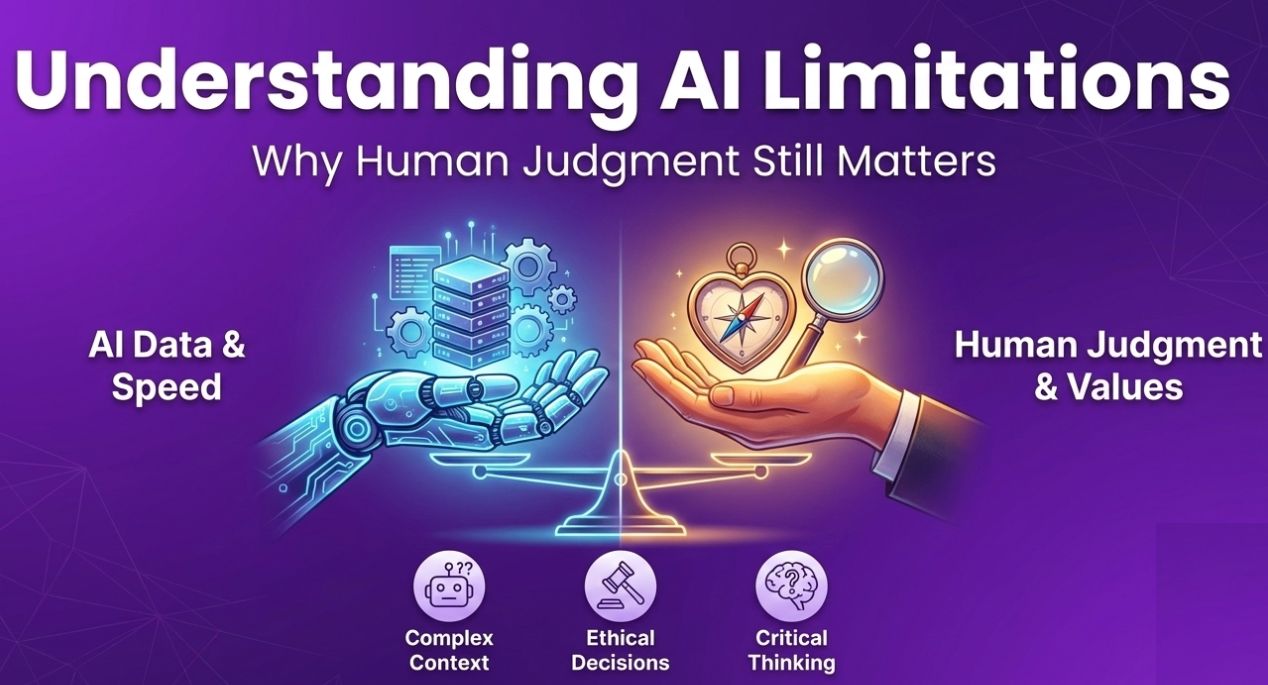
Understanding how AI helps save time includes setting realistic expectations. AI supports work, but human judgment remains essential.
10. AI Works Best When Used Responsibly
AI can save time, but only when used thoughtfully. Using too many tools or trusting outputs blindly can create new problems.
Choosing the right tools and using them with intention ensures AI remains helpful. Responsible use keeps workflows simple and prevents new distractions from replacing old ones.
Conclusion
AI is changing how time feels at work. Instead of constant urgency, many professionals experience more structure and clarity. How AI helps save time in daily office and remote work is not about rushing, but about reducing friction and unnecessary effort.
When used wisely, AI creates space for better thinking, collaboration, and balance. The time saved is often reinvested into learning and creativity, making work more sustainable and human in the long run.