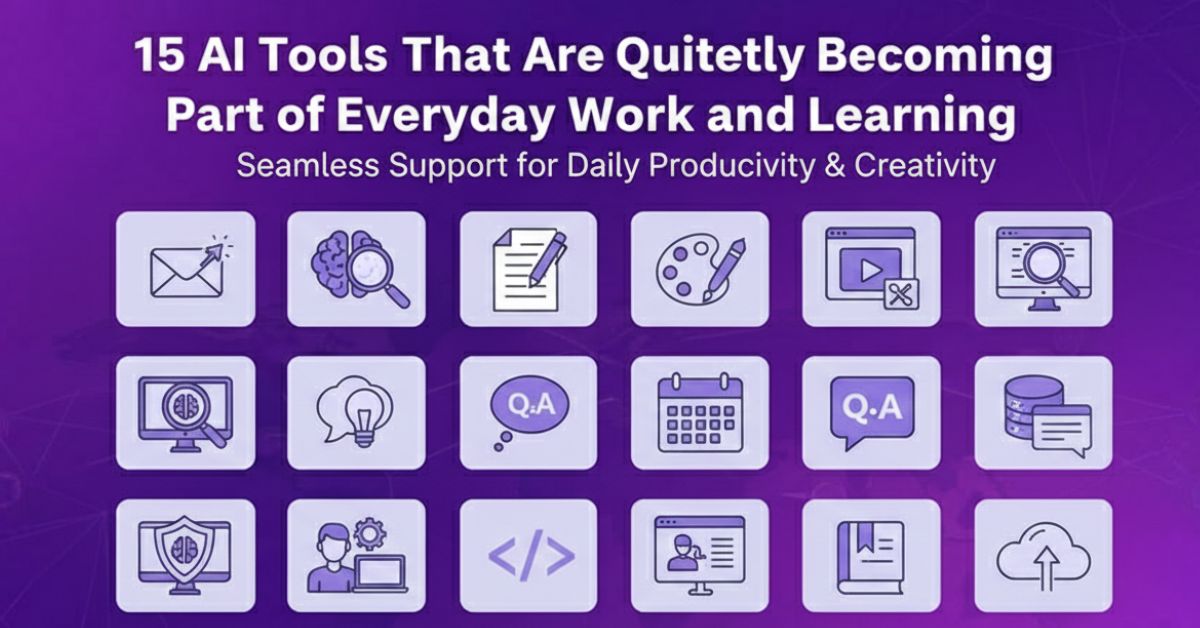
A few years ago, artificial intelligence felt like something distant. It was discussed in research papers, tech conferences, or science fiction stories. Today, AI has quietly entered everyday life. It helps people write emails, organize work, study better, manage time, and even think more clearly.
This change did not happen overnight. It happened slowly, tool by tool, habit by habit. In 2026, productivity is no longer about working faster or doing more tasks in less time. It is about working with clarity.
AI plays a role here by reducing mental overload. Instead of replacing human effort, it supports it. The result is not louder workflows, but calmer ones.
AI Is Quietly Changing Everyday Productivity
Table of Contents
Understanding Productivity in the AI Era
Productivity used to mean efficiency alone. Finishing tasks quickly, responding faster, multitasking constantly. Over time, this approach led to burnout for many people. AI has shifted this definition slightly. Now productivity includes focus, balance, and intentional work.
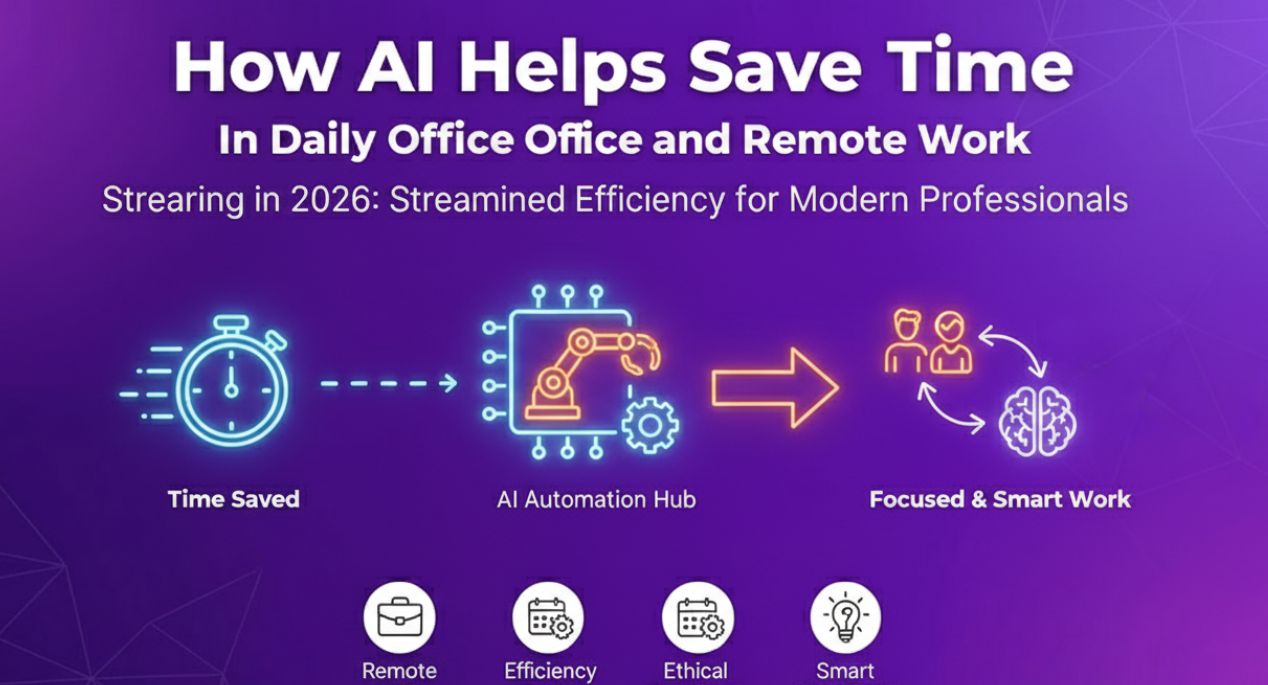
AI tools help by handling repetitive actions. They summarize information, suggest next steps, and automate routine processes. This gives people more mental space to think, decide, and create. Productivity becomes less about pressure and more about flow.
AI as a Thinking Partner, Not a Replacement
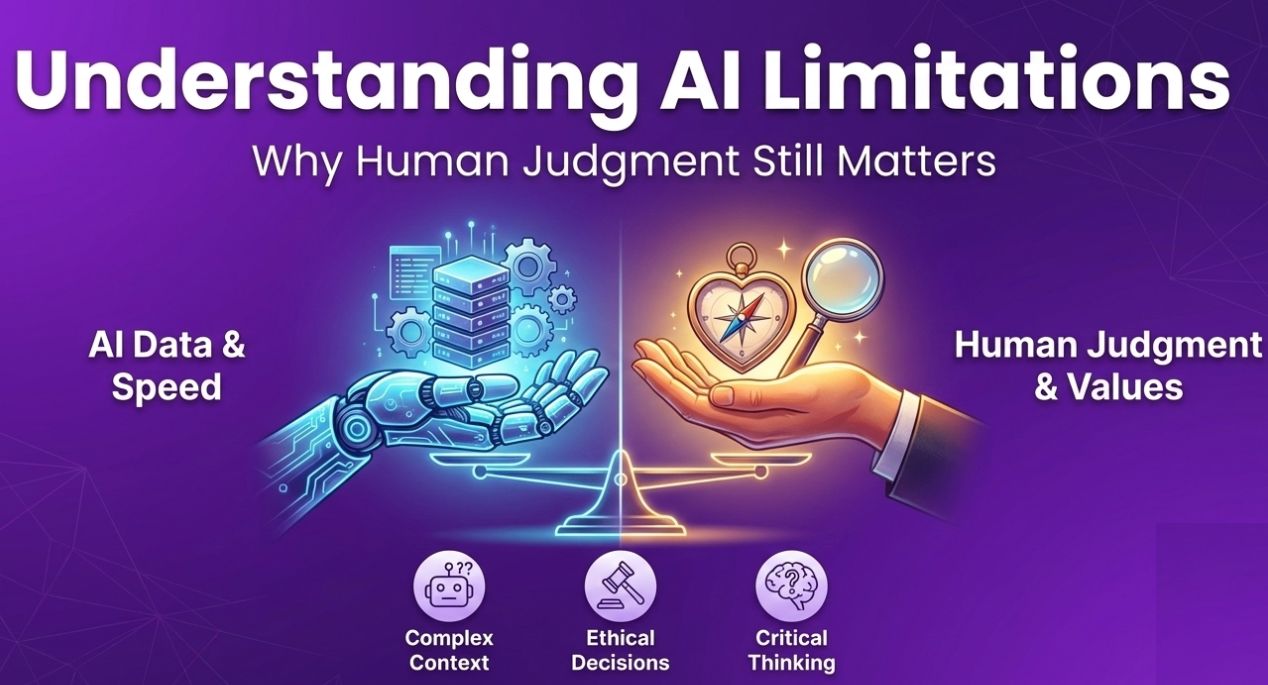
One of the biggest misunderstandings about AI is that it replaces thinking. In reality, good AI tools act more like thinking partners. They help organize thoughts, structure ideas, and reflect patterns back to the user.
For example, when someone is planning a project, AI can help outline steps, suggest timelines, or highlight risks. The human still makes decisions. AI simply reduces friction. This partnership is where modern productivity begins.
Writing and Communication Made Simpler
Writing remains a daily task for many people. Emails, reports, messages, presentations, and notes all require words. AI writing assistants help by suggesting phrasing, improving clarity, and fixing grammar.
This does not mean AI writes everything. Instead, it helps people express ideas more clearly. Many users report feeling less anxious about writing because the first draft no longer feels intimidating. Communication becomes smoother and more confident.
Learning Faster Without Feeling Overwhelmed
AI has changed how people learn new skills. Instead of long courses and heavy materials, learners now use AI tools to explain concepts in simple language, summarize lessons, and answer questions instantly.
Students and professionals use AI to break down complex topics into manageable pieces. This supports deeper understanding rather than surface level memorization. Learning becomes continuous, flexible, and personal.
Time Management with Less Mental Stress
Managing time is not just about calendars. It is about energy. AI tools help by analyzing schedules, identifying overload, and suggesting better task distribution.
Some tools automatically organize meetings. Others suggest focus blocks or remind users when to take breaks. This helps people respect their limits while still staying productive. The workday becomes more balanced.
Research and Information Processing
The internet offers endless information, but processing it is exhausting. AI helps by summarizing articles, extracting key points, and organizing research notes.
Instead of reading dozens of pages, users can understand the core idea quickly. This saves time and reduces cognitive fatigue. AI does not replace reading, but it helps decide what deserves deeper attention.
Creative Work with More Freedom
Creativity thrives when the mind feels relaxed. AI tools support creative work by removing technical barriers. Designers, writers, and creators use AI to explore ideas, generate drafts, and experiment freely.
When fear of failure decreases, creativity increases. AI provides a safe space to test ideas without judgment. The final output remains human, but the process becomes lighter.
AI in Daily Office Work
Office tasks often involve repetition. Data entry, formatting, scheduling, and reporting consume energy. AI automates many of these processes quietly.
Spreadsheets update automatically. Reports summarize themselves. Emails prioritize important messages. This allows people to focus on decisions rather than administration. Productivity shifts from busy work to meaningful work.
Building Better Habits with AI Support
Habits shape productivity. AI tools help track progress, remind users gently, and adjust routines based on real behavior.
For example, AI-powered habit tools notice patterns. They might suggest studying at a different time or breaking tasks into smaller parts. This adaptive support helps habits stick naturally.
Ethical and Mindful Use of AI
With all these benefits, mindful use is important. Productivity should not mean constant optimization. AI works best when it supports human well being, not pressure.
Users should choose tools that respect privacy and encourage healthy work patterns. AI should serve people, not control them. Awareness and intention make the difference.
The Future of Work Feels More Human
Interestingly, as AI becomes more capable, work feels more human. People spend less time on mechanical tasks and more time on thinking, connecting, and creating.
Productivity in 2026 is not louder. It is quieter. It values clarity over speed, balance over overload, and intention over urgency. AI helps make this shift possible.
Final Thoughts: AI Is Quietly Changing Everyday
AI is no longer a future concept. It is part of daily routines. When used thoughtfully, it reduces stress, improves focus, and supports better decisions.
The real power of AI lies not in automation alone, but in simplification. It helps people work in a way that feels sustainable. Productivity becomes something that supports life, not competes with it.
Read More: Best AI Tools for Research Paper Writing and Academic Work